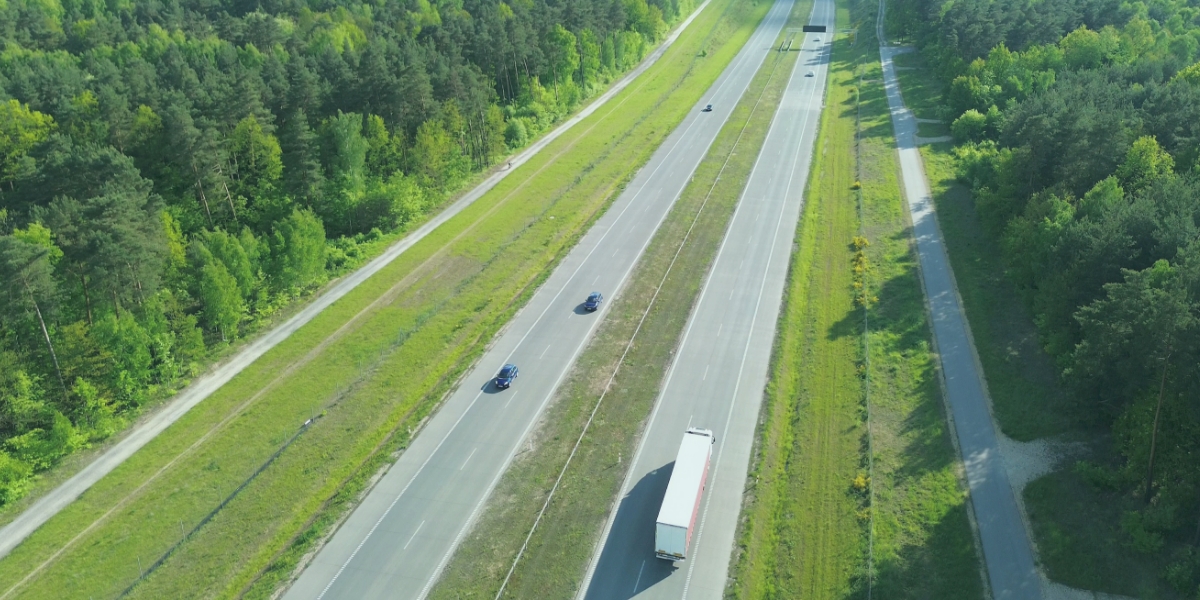
A freight lane, also known as a carrier lane, is any route a carrier covers on a regular schedule. Freight lanes are also known as shipping lanes or trucking lanes. These lanes are often used by freight brokers and will connect multiple cities or transport hubs. The brokerage or carrier can more readily get a truckload direct point-to-point, connect multiple points in any shape, or travel in any direction with such lanes being utilized by trucking companies.
Types of Freight Lanes
There are three main types of freight lanes that truckers often use: owner-operator, regional, and national. These are very valuable to the overall freight market. Owner-operator lanes are individual owner-operators that set up commonly used lanes within their business, usually contracted with a particular shipper. Regional lanes operate with shipping routes running in one determined region of the country. This could be within a state or a grouping of states. National lanes operate on a larger scale from point to point. These lanes will typically cross the country connecting areas such as Chicago to Atlanta or even Los Angeles to Florida.
Long haul freight lanes
One of the more common freight lanes is the long-haul freight lane. This option covers long distances and connects multiple cities or hubs. These loads often go from point A to point B coast-to-coast and are typically full truckload or flatbed loads and less-than-truckload (LTL) loads. These routes are often dedicated miles allowing the ability for two providers to have direct and dedicated lanes between them.
Short-haul freight lanes
Not all loads need to go long distances. Most final-mile freight that is being shipped to retailers or consumers will do so by utilizing short-haul shipping lanes. While these are not the higher paying loads overall due to the shorter distance, these lanes are highly competitive and usually cover less than 100 miles approximately.
Why Are Freight Lanes Good For Shippers?
At the end of the day, freight lanes are purpose-driven. Freight lanes positively impact the trucking industry overall, making them a good thing for shippers. Freight lanes bring shippers the ability to better control revenue, establish relationships that are built as a result, and have better consistency within the movement of freight. Freight lanes also minimize deadhead miles for carriers because of the abundance of freight being moved from those locations.
ABOUT eCapital
At eCapital, we accelerate business growth by delivering fast, flexible access to capital through cutting-edge technology and deep industry insight.
Across North America and the U.K., we’ve redefined how small and medium-sized businesses access funding—eliminating friction, speeding approvals, and empowering clients with access to the capital they need to move forward. With the capacity to fund facilities from $5 million to $250 million, we support a wide range of business needs at every stage.
With a powerful blend of innovation, scalability, and personalized service, we’re not just a funding provider, we’re a strategic partner built for what’s next.