The global COVID outbreak dramatically changed inventory management and supply chain optimization for many companies. As the Financial Times noted, “the outbreak exposed the thin margins on which much of global business runs.”
Many factors contributed to today’s supply chain challenges. But tight, overextended supply lines, lean manufacturing, and outsourcing have been especially burdensome for debt-laden companies running just-in-time (JIT) supply chains.
Comparing Inventory Management Strategies
A Just-in-Time (JIT) strategy orders parts, components, or products from suppliers to meet immediate customer and fulfillment demands. Designed to use capital more efficiently, JIT relies on highly accurate demand forecasting and tight coordination with suppliers. But as we’ve seen, despite expert forecasting, supply chain disruptions can—and do–derail a JIT system.
A Just-in-Case (JIC) strategy maintains extensive inventories to reduce backorder risks in the face of supply and demand uncertainties. The downside? JIC can’t adjust for supplier reliability issues, weather, traffic, fuel prices, unexpected customer orders, etc. And with JIC, demand forecasting is less critical, but companies risk tying up capital in inventory.
Adopt a Hybrid System to Add Resiliency to Your Supply Chain
So which strategy is the correct one? The answer isn’t that straightforward. Even under “normal” conditions, poor planning, uneven customer demand, quality issues, design inconsistencies, and fluctuating inventories often require that a company keep reasonable amounts of stock. But in the current environment, with so much uncertainty around inventory and supply chain disruptions, we recommend that companies keep more inventory on-hand than usual.
The challenge many companies now face is how to balance the need for extra inventory while maintaining the nimbleness and flexibility of the Just-in-Time model. This can be a difficult transition for companies inexperienced with storing and sourcing excess inventory. But to survive economic uncertainty, a shift towards a hybrid model is essential. To successfully reap the benefits of both systems and build resiliency into your supply chain, we recommend that you:
Maintain excess inventory of essential items
Stay safe by adding safety stock to orders or keeping excess inventory on hand, while factoring in seasonality, product popularity, etc. This can incur additional storage or inventory carrying costs, but it will be worth it. Disruptions, such as the pandemic, extreme weather events, tariffs, and more often create shortages caused by an insufficient inventory of products or a lack of raw materials. Of note: With certain products, many sales have moved online, so digital sellers don’t require as much inventory on hand to stock shelves.
Re-Evaluate your supplier relationships
Collaborate with supply chain partners who have the skills, tools, and knowledge to enhance your firm’s capabilities and minimize your risk. Suppliers operating in multiple markets–or those poised to flex up or down with demand—will increase your agility. However, suppliers who keep extra inventory on-hand may increase prices to offset their risk. It’s vital to re-evaluate even longstanding suppliers for their creditworthiness and disaster recovery capabilities.
Rebalance your supply chain
Before the pandemic, global companies operated throughout realized and potential disruptions, such as trade disputes or even wars. In dealing with COVID, companies that shuffled their overseas suppliers had no time to scale up or down, creating havoc. This was exacerbated by disruptions to deliveries caused by transportation bankruptcies, air and ocean service cancellations, and high freight rates. This means it’s imperative to have a contingency plan for each of your higher-tier supply chain providers. Consider moving production closer to the selling market, diversifying your supplier base, or double sourcing key products.
Digitize your supply chain
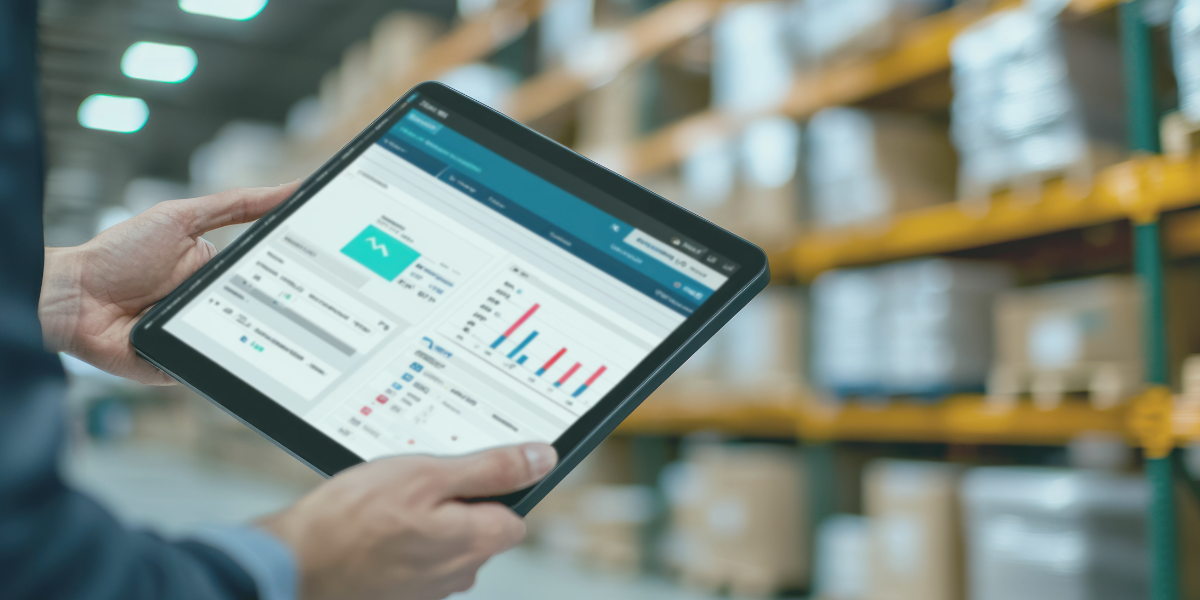
In order to maintain the agility of a Just-in-time system, it’s essential to have access to both historical and real-time data about your supply chain. With better visibility, you will be able to see opportunities and better forecast risks or disruptions that may impact your business. We recommend digitizing your invoicing and procurement processes. eCapital’s Dashboard can help. It provides real-time insights into your accounts receivable and your customers’ creditworthiness, helping you make better decisions when sourcing suppliers.
Conclusion
It may be that the “new normal” means both rethinking your supply chains and exploring how you can benefit from the new reality. Businesses should continuously re-evaluate how to improve decision-making, change tactics to meet changing circumstances, and ensure that their supply chains are resilient.
Contact us to discuss your company’s inventory management strategies with our team of industry experts. Learn how eCapital can boost inventory resilience and overall financial health with cash flow solutions tailored to meet your company’s specific needs.
ABOUT eCapital
At eCapital, we accelerate business growth by delivering fast, flexible access to capital through cutting-edge technology and deep industry insight.
Across North America and the U.K., we’ve redefined how small and medium-sized businesses access funding—eliminating friction, speeding approvals, and empowering clients with access to the capital they need to move forward. With the capacity to fund facilities from $5 million to $250 million, we support a wide range of business needs at every stage.
With a powerful blend of innovation, scalability, and personalized service, we’re not just a funding provider, we’re a strategic partner built for what’s next.