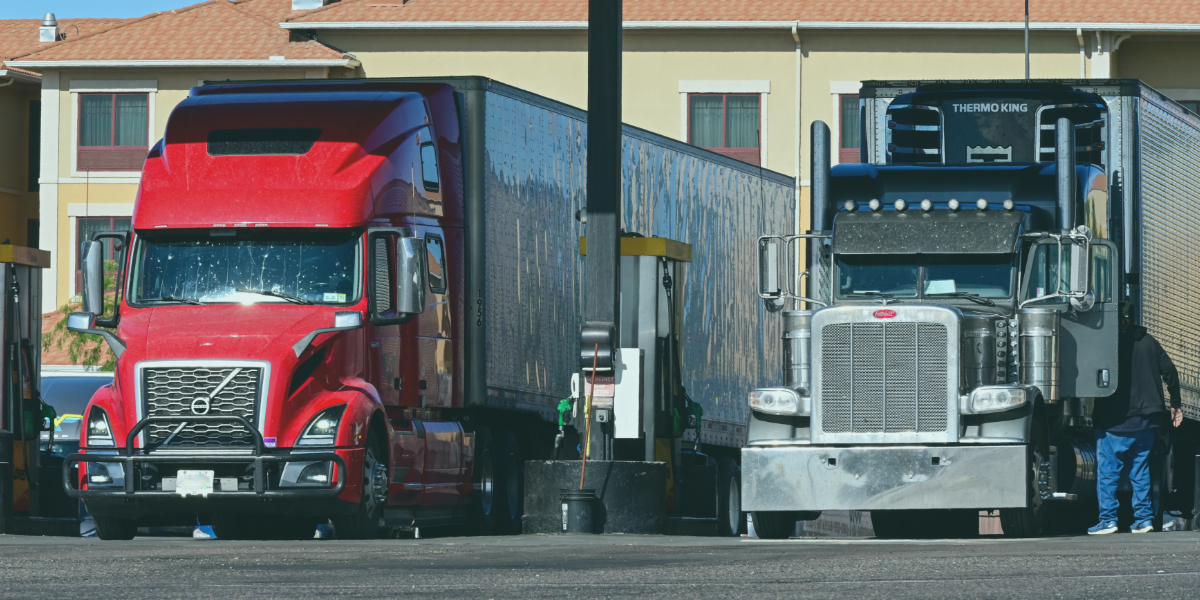
TL;DR:
Fuel cards and business credit cards can both be used to purchase fuel, but they serve different purposes. Credit cards offer broad purchasing flexibility and rewards programs, while fuel cards are designed specifically for trucking operations, providing fuel discounts, spending controls, fraud prevention, fleet reporting, and fuel management tools. As fuel costs continue to rise, fuel cards often deliver greater savings, stronger expense control, and improved operational efficiency.
For trucking companies, every expense affects profitability, but few costs have a bigger impact than fuel. Whether you’re an owner-operator running one truck or managing a growing fleet, choosing the right payment solution can significantly influence your operating costs, cash flow, and administrative workload.
Many carriers continue to rely on traditional business credit cards to purchase diesel fuel. For the purposes of this article, these are also called “fuel credit cards for truckers”. Others leverage dedicated fleet fuel cards that are specifically designed for transportation businesses. In this article, these may also be referred to as “fuel cards”. While both options provide purchasing power, the long-term financial and operational benefits can vary considerably.
So which option makes the most sense for your operation?
The answer depends on your fleet size, growth objectives, and overall business goals. In this guide, we’ll compare fuel cards and fuel credit cards for truckers side-by-side to help you determine which solution offers the greatest value for your trucking company.
Fuel Card and a Business Credit Card – Understanding the Difference
At first glance, fuel cards and business credit cards appear very similar. Both allow carriers to make fuel purchases without paying cash at the pump.
The key difference is purpose.
A business credit card is a general payment tool that can be used for fuel, maintenance, office supplies, lodging, meals, and other business expenses.
A fleet fuel card is designed specifically for trucking and transportation operations. It helps companies manage fuel spending while providing access to fuel discounts, reporting tools, driver controls, and fraud prevention features that traditional credit cards typically do not offer.
When managing fuel, credit cards for truckers lack the in-depth data and real-time tracking fleet managers need when focusing on reducing operating costs. Fuel cards often provide far more value with significant discounts, reporting capabilities, fraud prevention, and much more.
Fuel Cards vs Credit Cards: Side-by-Side Comparison
| Feature | Fuel Card | Business Credit Card |
| Fuel Discounts | Yes | Rarely |
| Fleet Reporting | Advanced | Limited |
| Driver Controls | Yes | Minimal |
| Fuel Purchase Restrictions | Yes | No |
| Fraud Prevention Tools | Strong | Moderate |
| Acceptance Network | Fuel-focused | Universal |
| Rewards | Fuel savings | Cashback or points |
| Fleet Management Tools | Yes | No |
| Vehicle Tracking Integration | Often | No |
| Fuel Tax Reporting Support | Often | No |
While both types of payment solutions can support fuel purchases, the advantages of fuel cards become increasingly apparent as fleets grow.
Fuel Discounts: One of the Biggest Advantages of Fuel Cards
For many carriers, fuel discounts are the primary reason for adopting a fuel card program.
Most truck fuel cards provide access to negotiated pricing at participating truck stops and fuel stations. Depending on fuel volume and provider agreements, these discounts can generate substantial annual savings.
Traditional business credit cards may offer:
- Cash back rewards
- Airline points
- Travel incentives
- General spending rewards
While these benefits can be attractive, they rarely match the direct fuel savings offered through a dedicated fuel card program.
For trucking operations consuming thousands of gallons each month, even a few cents per gallon can significantly improve profitability.
Winner: Fuel Card
Why Fuel Credit Cards for Truckers Often Cost More Than Fuel Cards
Many trucking companies are surprised to learn that diesel fuel frequently carries different pricing depending on how it is purchased.
Fuel stations often offer a lower cash price and a higher credit price. The difference may range from several cents to more than ten cents per gallon depending on the location and market conditions. Since traditional fuel credit cards for truckers operate through standard credit card networks, carriers may end up paying the higher credit price.
Fleet fuel cards often work differently.
Many programs provide access to cash pricing plus additional negotiated discounts. Instead of merely earning points or cash-back rewards after the purchase, fleets reduce the actual price they pay at the pump.
Over the course of a year, these savings can add up quickly. For carriers operating multiple trucks, fuel discounts frequently exceed the value generated by most rewards-based credit cards.
Winner: Fuel Card
Purchase Controls and Driver Spending Limits
One of the biggest challenges for fleet managers is maintaining control over decentralized fuel spending.
Business credit cards typically provide limited oversight once a card has been issued. Drivers may be able to use the card for a wide variety of purchases, making it difficult to enforce spending policies and identify misuse.
Fuel cards are specifically designed to address these challenges.
Fleet managers can often:
- Set spending limits
- Restrict purchases to fuel only
- Limit purchases by location
- Restrict purchases by time of day
- Assign cards to individual drivers
- Link cards to specific vehicles
These controls help reduce unnecessary expenses while improving accountability across the fleet.
Winner: Fuel Card
Real-Time Visibility Improves Fleet Accountability
Many fuel card programs provide real-time transaction monitoring that allows managers to see purchases by truck, by driver, and by location as they occur.
This visibility helps fleets:
- Quickly identify unusual spending activity
- Monitor driver behavior
- Verify authorized purchases
- Detect potential fraud
- Strengthen compliance with company policies
This level of visibility can help establish spending policies, restrict locations or product types being purchased, and receive alerts for any deviation. This ensures tighter expense control and helps guard against unauthorized or fraudulent use. As fleets grow, real-time oversight becomes increasingly valuable for protecting margins and preventing avoidable losses.
Winner: Fuel Card
Reporting and Visibility
Fuel management involves much more than paying for diesel.
Successful fleets closely monitor fuel efficiency, purchasing patterns, route performance, and driver habits to identify cost-saving opportunities.
Most business credit card statements provide only basic transaction records. Fuel cards deliver significantly deeper operational insights.
Advanced reporting often includes:
- Fuel purchases by driver
- Fuel purchases by vehicle
- Cost-per-mile data
- Fuel efficiency trends
- Route-specific spending
- Real-time transaction monitoring
- Fuel tax reporting support
Many fuel card platforms also simplify IFTA reporting by automatically capturing fuel transaction data and consolidating reporting information into a single system. This can reduce administrative workload while improving reporting accuracy.
Having access to these insights makes it easier to identify waste, improve planning, and optimize fleet performance.
Winner: Fuel Card
Fraud Prevention and Security
Fuel theft and unauthorized purchases continue to create costly challenges throughout the transportation industry.
While traditional business credit cards provide standard fraud protection, they often lack the trucking-specific controls necessary to manage fuel-related risks.
Fuel card programs commonly incorporate:
- Driver identification numbers
- Vehicle verification requirements
- PIN protection
- Transaction alerts
- Purchase restrictions
- Real-time monitoring
These additional safeguards help reduce unauthorized fuel purchases and improve accountability across the organization.
For multi-truck operations, enhanced security can generate meaningful cost savings over time.
Winner: Fuel Card
Cash Flow Benefits
Cash flow remains one of the most important concerns for trucking companies.
Fuel expenses occur daily, while freight invoices may take weeks or even months to be paid. Both fuel cards and credit cards can help bridge this working capital gap by reducing immediate cash demands.
However, many fleet fuel card programs are specifically designed around trucking industry cash flow cycles.
Benefits may include:
- Extended payment terms
- Higher fuel purchasing capacity
- Fleet-focused financing solutions
- Easier management of recurring fuel expenses
In many cases, carriers can fuel their trucks, complete deliveries, and invoice customers before fuel purchases become due.
For businesses experiencing growth or seasonal demand fluctuations, these additional benefits can provide a meaningful advantage over traditional credit cards for truckers.
Winner: Depends on the Provider
Both options can provide financing flexibility, but trucking-focused programs often offer tailored cash flow benefits to fleet operations.
Acceptance and Convenience
One area where business credit cards maintain an advantage is universal acceptance.
A traditional credit card can generally be used almost anywhere.
Fleet fuel cards are typically limited to participating truck stops and fueling locations within their designated network.
While most major fuel programs maintain extensive coverage across North America, fleets should carefully evaluate network acceptance before selecting a provider.
Companies operating long-haul routes should prioritize fuel card programs that offer broad geographic coverage.
Winner: Credit Card
Rewards vs Operational Savings
One of the most common questions carriers ask is whether business credit card rewards programs outweigh fleet fuel card discounts.
Many fuel credit cards for truckers advertise:
- Cash back rewards
- Travel points
- Merchandise incentives
- Bonus spending programs
While these benefits can be attractive, they are designed primarily for general spending.
Fleet uel cards focus on operational savings instead.
These programs often provide:
- Fuel discounts
- Lower administrative costs
- Better reporting
- Improved expense controls
- Reduced fraud exposure
For most trucking operations, direct operational savings generate significantly greater value than traditional reward programs. In many cases, fuel credit cards for truckers simply cannot overcome the higher cost of diesel purchases and reduced spending controls.
Winner: Fuel Card
Which Option Is Best for Owner-Operators?
Owner-operators often value flexibility and broad purchasing power.
If fuel purchases represent a smaller percentage of total business spending, a business credit card may offer some convenience.
However, fuel cards can still provide substantial advantages through diesel discounts, cash flow support, and reporting capabilities.
As fuel prices continue to fluctuate, many owner-operators find that fuel credit cards for truckers cannot match the long-term savings generated by a dedicated fuel card program.
Which Option Is Best for Fleet Operators?
For larger fleets, the answer is usually much clearer.
The reporting, security, spending controls, and operational visibility offered by fleet fuel cards create advantages that traditional fuel credit cards for truckers simply are not designed to provide.
Many growing carriers adopt fleet fuel cards specifically to:
- Improve accountability
- Reduce fuel expenses
- Streamline administration
- Gain better business intelligence
- Support long-term growth objectives
As fleet size increases, these benefits become increasingly important.
How to Choose the Best Fuel Card for Your Trucking Company
Not all fuel card programs offer the same value.
When evaluating options, look for a program that provides:
- Meaningful fuel discounts
- Broad acceptance across major truck stops
- No transaction fees
- Strong fraud protection
- Real-time reporting capabilities
- Flexible payment terms
- Cash advance access
- Easy qualification requirements
The right program should help reduce operating costs, improve financial visibility, and simplify expense management while supporting future growth.
The Best Approach: Using Both
Many trucking companies ultimately choose not to rely exclusively on one solution.
Instead, they use both strategically.
A common approach is to:
- Use a fuel card for diesel purchases
- Use a business credit card for lodging, maintenance, meals, tolls, and other operating expenses
This approach allows carriers to capture fuel savings while maintaining the flexibility of traditional credit card purchasing power.
Conclusion
When comparing fuel cards and credit cards, the right solution depends on your business goals and operating model.
Business fuel credit cards for truckers offer flexibility and convenience, but fleet fuel cards are specifically designed to reduce diesel costs, improve oversight, strengthen security, and provide operational insights that support better decision-making.
For most fleets, fuel cards deliver greater long-term value than fuel credit cards for truckers by lowering one of the industry’s largest expense categories while improving financial control.
As margins remain tight across the transportation industry, choosing the right fuel card can play a meaningful role in improving profitability, strengthening cash flow, and supporting sustainable growth.
Key Takeaways
- Fuel cards and business credit cards both allow carriers to purchase fuel without cash, but they are designed for different purposes.
- Business fuel credit cards for truckers offer general acceptance and rewards such as cashback, points, or travel incentives, but lack the significant fuel savings available through dedicated fleet fuel card programs.
- Fuel cards provide advanced spending controls, stronger fraud-prevention tools, detailed fleet reporting, and fuel-purchase data that can improve expense management, budgeting, and operational visibility.
- For trucking businesses focused on improving profitability and controlling fuel costs, a dedicated fleet fuel card is often the more strategic long-term solution.
ABOUT eCapital
At eCapital, we accelerate business growth by delivering fast, flexible access to capital through cutting-edge technology and deep industry insight.
Across North America and the U.K., we’ve redefined how small and medium-sized businesses access funding—eliminating friction, speeding approvals, and empowering clients with access to the capital they need to move forward. With the capacity to fund facilities from $5 million to $250 million, we support a wide range of business needs at every stage.
With a powerful blend of innovation, scalability, and personalized service, we’re not just a funding provider, we’re a strategic partner built for what’s next.